Comprehensive screening for every community
Portable health screening that reach communities where geography, workforce shortages, and infrastructure create barriers to health screening access. Designed for Indigenous health, remote clinics, and public health programs.
Healthcare access should not depend on where you live
Remote and regional communities face structural barriers: limited workforce, vast distances, and fragmented diagnostic pathways that delay detection and intervention for chronic disease.
Portable & self sufficient
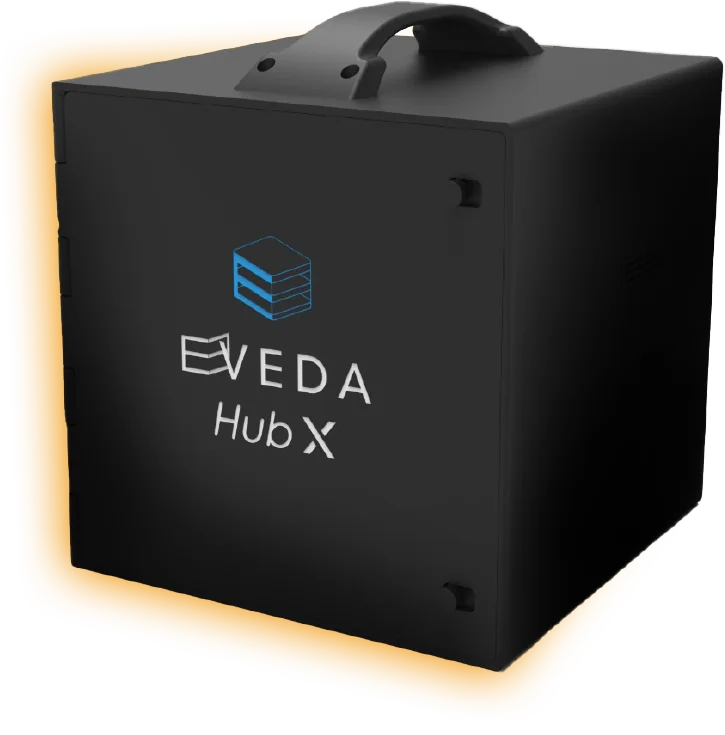
5.6kg. Standalone power. Satellite connectivity. Operates in settings with no mains power, no internet infrastructure, and no laboratory access.
Minimal training required
Operable by community health workers without specialist medical qualifications. Training completed in 1-2 days.
Telehealth integration
Results available instantly for remote clinical review. A GP or specialist can consult on live results from anywhere in Australia or the Pacific.
No venepuncture
Five drops of capillary blood. No needles, no phlebotomist. Reduces screening barriers in communities with needle anxiety or limited clinical workforce.
Population health insights
De-identified, aggregated analytics support PHN reporting, Closing the Gap metrics, and evidence based resource allocation for health programs.
Cultural safety by design
Patient-controlled data through the Health Passport. Consent-based sharing. Designed in consultation with Indigenous health leaders.
Supporting Closing the Gap and preventive care priorities
EVEDA aligns with national priorities for Aboriginal and Torres Strait Islander health outcomes by enabling comprehensive chronic disease screening in community-controlled health settings.
The platform supports the shift from reactive treatment to proactive prevention, identifying risk factors for diabetes, cardiovascular disease, kidney disease, and respiratory conditions before they escalate.
Deployment contexts
- Aboriginal Community Controlled Health Organisations (ACCHOs)
- Primary Health Networks (PHNs)
- Remote and rural clinics
- State and territory health services
- Community health screening programs
- Pacific Island health ministries and NGOs
- Defence health services
- Corrections and custodial health services
Guided by Indigenous health leadership
EVEDA is committed to fostering reconciliation and building respectful relationships with Indigenous peoples. Our advisory board includes leading Indigenous health experts who guide the ethical and culturally safe deployment of our technology.
One integrated device, 300+ screening tests
The EVEDA HubX captures data across six core health systems using just five drops of blood and a urine sample. No venepuncture. No lab. Results in 15 minutes.